
Claudio Ranieri Appointed Italy's New Technical Director
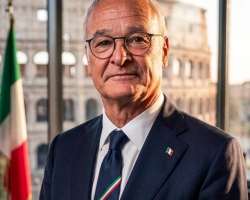
Claudio Ranieri has been appointed as the new technical director of the Italian national football team, taking on a key strategic role as the Italian Football Federation (FIGC) continues its efforts to rebuild after a challenging period for the Azzurri.
The experienced 74-year-old coach will not oversee matchday tactics or select the starting lineup. Instead, he will be responsible for helping shape the long-term direction of Italian football, including talent development, technical planning, and strengthening the national team's overall structure.
Ranieri's appointment comes amid major changes within the federation. Italy has faced growing criticism following disappointing performances and failures to qualify for major international tournaments in recent years.
The federation has responded by reshaping its leadership in an effort to restore stability and competitiveness.
The technical director role had recently experienced uncertainty after former Italy captain Paolo Maldini exited the position following reported disagreements over the federation's coaching plans.
Ranieri's arrival is expected to bring experience and continuity to the rebuilding process.
Throughout his managerial career, Ranieri has led several of Europe's biggest clubs, including Chelsea, Juventus, Inter Milan, Roma, and Valencia.
However, his greatest achievement remains guiding Leicester City to one of football's most remarkable triumphs by winning the 2015-16 Premier League title against overwhelming odds.
Italian football officials believe Ranieri's wealth of experience and calm leadership make him well suited to oversee long-term development rather than day-to-day coaching responsibilities.
His appointment is also expected to complement the federation's wider restructuring as Italy seeks to return to competing consistently at the highest international level.
With a renewed leadership team now in place, supporters will hope the changes can help restore the nation's status as one of world football's traditional powerhouses and improve its prospects in future World Cup and European Championship campaigns.