
Ìbejì In Yorùbá Culture: Spirituality, Symbolism, And The Preservation Of Indigenous Cultural Heritage
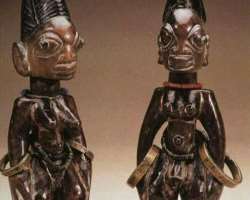
The concept of ìbejì embodies a spiritual significance in Yorùbá cosmology, religion, and culture. Among the Yorùbá people, ìbejì or twins are not referred to as ordinary children, but powerful children endowed with endless blessing, mysterious power, prosperity, and good fortune. The Yorùbá people have the highest number of twins in the world, most especially "Igbo-Ora", located at Ibarapa Central Local Government Area of Oyo State Nigeria, and often celebrate them yearly in a festival called "World Twins Festival". The glamorous celebration which is so unique among the people of Igbo-Ora frequently took place in the month of October features the display of Yorùbá cultural artifacts, parades of all twins of all ages, traditional cultural troupe, cooking contest for the locally made food "ilasa", and the grand finale exhibition that celebrate the community as the "Twins capital of the world." Unlike many other ethnic or tribe who misrepresent twins as a fear of suspicion, misfortune, or calamity, the births of twins in Yorùbá society serves as a symbol of plentiful harvest, joyful seasons, and prosperous lifespan for both aged and young.
The word "ìbejì" literally translates to "the two born together" is derived from the Yorùbá expression of "méjì" meaning two. They are believed to be divine blessing and miracle from "Asèdá" creator of man. In Yorùbá cosmology, ìbejì or twins are said to possess supernatural powers and capable of influencing bad or good fortune depending on how they are being treated by their parents. They also serve as a connection between the physical and spiritual world, and also protect their household from the mishap of the evil eyes. According to Yorùbá oral narrations, twins are said to have ties with "sàngó" (god of lightning and thunder), who is believed to be the protector of twins children. In another narrations, "Yemoja", the goddess of motherhood and water bodies gave birth to twins and lost one prematurely. The endless pain and trauma of loosing a child made her to carved a wooden sculpture called "ère ìbejì". In Yorùbá religious system, ìbejì are said to be earthly representatives of "Òrìsà Ìbejì" and this deity carries the power of productivity, healing, and abundant blessings. This deity carved in two wooden sculpture holds an important path in the life of it devotees.
The Yorùbá have unique names exclusively for twins. The first among the twins is "Táyélolú ejìré or Táíwò" who first taste the world, but according to Yorùbá contextual belief, he's considered second. "Kéhìndé" who got it name from the phrases "omo kehin dé" meaning the child who arrive last has come. Although born second, "Kéhìndé" is considered the elder as h/she was the one that instructed "Táíwò" to go first. There are other several names given to children that come after them, such as ìdòwú, ìdogbé, ìdohá, àlàbá, and others. In Yorùbá, all these names given to them are called "orúko àmútòrunwá" meaning "names brought from the spiritual world". These personal identifiers which marks the birth of the earthly gods "ìbejì" are specific names given to them and their siblings. In Yorùbá culture, whenever a twin dies, it represents bad misfortune for the parents and community they belong to. Parents of the deceased twin consult an "ifà diviners" who gave them a wooden sculpture called "erè ìbejì" which is to be feed, bath, cloth, and kept with honour. This cultural practice is believed to protect the surviving twin and maintain a cordial spiritual balance between the living and the departed soul.
One of the most essential aspects of Yorùbá culture is "oúnje" (food). There are two major foods associated with ìbejì namely "èwà and èkuru". These two proteinous food builders of body tissues are typically made from èwà (beans) served as their major food during rituals or festive seasons. "Èwà" which is believed to be the food of the mythological god "Òrìsà Ìbejì" holds a significant value in it worship. During it celebration, people gather far and near to celebrate with their parents. Traditional attire like aso òkè, òfì, sányán, ìró and bùbá, agbádá, and àlárì baba aso were mostly wore by people to celebrate the noble occasion. Gifts and other valuable items were given to "Baba Ìbejì and Ìyá Ìbejì" honouring the twins which many believe "ìbejì mu ire wa" (Twins bring blessings). There are other several events that took place including prayer, singing of traditional twins song, dancing, sacrifice where applicable, and thanksgiving note by their parents.
In Yorùbá cosmology, there are some superstitions or taboos surrounding the births of "Ìbejì". As they are being called the earthly representatives of "Òrìsà Ìbejì", it's the responsibility of every parents to treat them with respect, feed them, cloth them, and honour them. Twins are not to be separated, insulted, maltreated or beaten by anyone as this bring bad luck. Whenever they're sad, they're to be praise with their personal compendium "oríkì" which goes thus;
"Ẹ̀jìrẹ́ ará ìṣokún.
Ẹdúnjobí
Ọmọ ẹdun tíí ṣeré orí igi
Ọ́-bẹ́-kẹ́ṣé-bẹ́-kàṣà,
Ó fẹsẹ̀ méjèèjì bẹ sílé alákìísa;
Ó salákìísà donígba aṣọ.
Gbajúmọ̀ ọmọ tíí gbàkúnlẹ̀ ìyá,
Tíí gbàdọ̀bálẹ̀ lọ́wọ́ baba tó bí í lọ́mọ.
Wínrinwínrin lójú orogún
Ejìwọ̀rọ̀ lojú ìyá ẹ̀..."
"All hail twins from Isokun.
Child of the colobus monkey
hoping and jumping from a tree branch to the other,
You jumped with your two feet to a wretched man house
Turning his home to a house full of riches and wealth,
An uncommon children that commands undue honour and respect from their parents
To your stepmother, you are an unwelcome sight
But to your mother, you are kings of two great empires!...
Ẹ̀jìrẹ́ ará ìṣokún, are not to be pronounced by any other names except their "orúko àmútòrunwá", the first is "táyélolú ejìré" and the second is "omo kehin dé gba ègbón". These unique names which are exclusively reserved for twins children are not personal identifiers, but it represents the true national identity of "kóòtu oòjíire". The way Yorùbá people celebrate, protect, and mourn twins shows how deeply spirituality and culture are connected in Africa.
In our contemporary society, this cultural heritage continues to linger in the heart of man. Even with the influence of genetics on the belief of ìbejì in our modern day society, this tradition proves to be unshakable. In the outside world like Europe, South America, and North America, this doctrine has influenced their society in which parents of African and non-African ancestral roots are now naming their twins children "Táíwò and Kéhìndé". The Yorùbá concept of ìbejì which symbolises balance, harmony, and duality in creation will continue to yield sprout as long as procreation, the legal union of man and woman, and the life force desire in humans serve as the covenant through which Olódùmarè brings forth new generations of mankind.
© Ahmed Adedeji Adesigbin
Happy reading!
[email protected]