
Àbíkú And Èmí: The Yorùbá Concept Of Reincarnation And The Cycle Of Life And Death
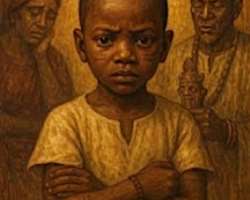
Àbíkú, "omo tí a bí tó kú" literally translates to "born to die". They are believed to be spiritual child who made a covenant with their spiritual partners, die prematurely, and are repeatedly born by the same mother, causing families and their mothers emotional calamity and distress. According to Yorùbá mythological narrations, àbíkú possess supernatural powers, including the ability to choose when to die and reincarnate back to life. In Yorùbá culture, these children are given some names, including málomo, kòkúmó, kòsókó, dúrójaiyé, ìyábò, dúrósinmí, ajá, dúródolá, and others. These names given to them by their parents often reflect their plea to stay on earth, and it represents hope, prayer, and the record of pain inflicted on their family.
In Yorùbá cosmology, Àbíkú are specifically referred to as "siamese of egbé òrun." It is widely believed that before birth, they already had an agreement with their peers in heaven to return back to the unseen realm shortly after their birth. As a result of this, they repeatedly leave their parents in anguish and trauma, causing their family to experience emotional pain and loss. Parents of such children often experience severe problems such as emotional and psychological pain, loss of appetite, endless grief, stigmatization, incurred financial debt, and spiritual battles.
The phenomenon of Àbíkú affects both males and females without any apparent gender disparity, reinforcing the belief that it is deeply rooted in spirituality rather than biological factors. In the Yorùbá culture, an àbíkú can be born as either a male or female child, as the phenomenon is determined by spiritual identity not biological sex. This reinforces that the repeated reincarnations of Àbíkú are manifestations of spiritual forces, not psychological or hereditary conditions. In some instances, distinctive marks such as tribal markings and scars were placed on the bodies of the deceased children as a means of identification. This primitive practice stemmed from the belief that if the child were to return, the mark or scar will facilitate recognition, and also serve as a form of appeasement to encourage the child to remain.
According to John Pepper Clark in his poem titled "Àbíkú" he views Àbíkú as a supernatural child whose repeated births and deaths bring immense sorrow and emotional suffering to his parents. Clark addresses the child directly and plead with him "Do stay out on the baobab tree...". This plea implies that if the child cannot continue to live, he should stay permanently in the spiritual coven without causing havoc and chaos for his parents. Through a compassionate and pleading tone, Clark presents the àbíkú as both a spiritual mystery and a symbol of recurring loss, making the poem a poignant reflection on grief, love, and the limits of human control over destiny.
Conclusively, àbíkú represents more than only reincarnation child, it represents the Yorùbá belief behind mystery of life, death, and the strong bond between physical and spiritual world. It showcases how the concept remains an important aspect of the Yorùbá cultural heritage and continues to be studied in anthropology, literature, religion, and African philosophy.