
U.S. Military Confirms Striking 140 Targets In Fresh Attack On Iran
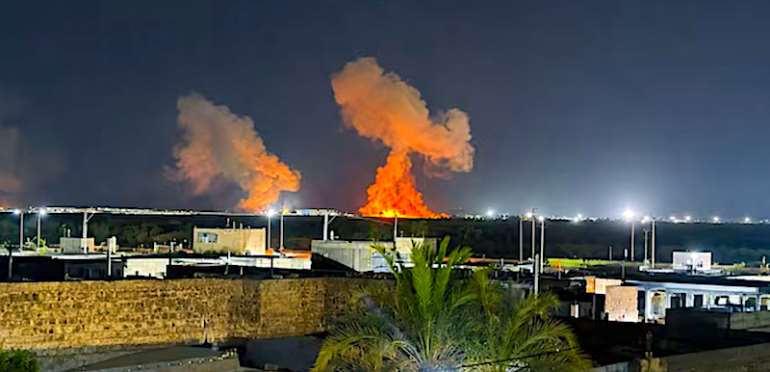
The United States military has launched a fresh wave of air and naval strikes against Iran, hitting about 140 military targets in what it described as a response to an Iranian attack on a commercial vessel in the Strait of Hormuz.
In a statement released on Sunday morning, the U.S. Central Command (CENTCOM) said the operation marked the third round of strikes carried out this week, adding that the attacks were intended to hold Iranian forces accountable for threatening commercial shipping in one of the world's busiest maritime routes.
According to CENTCOM, the strikes were conducted using precision-guided munitions launched from land- and sea-based fighter aircraft, drones, and U.S. naval vessels.
The military said the targets included Iranian missile and drone launch sites, naval assets, ammunition storage facilities, communications infrastructure, and coastal surveillance positions.
CENTCOM disclosed that the latest operation brought the total number of Iranian military targets struck this week to more than 300.
“During three nights of strikes this week, CENTCOM has struck more than 300 targets at the direction of the Commander in Chief to degrade Iran's ability to attack civilian mariners and commercial vessels freely transiting the strait,” the statement said.
The command added that commercial shipping through the Strait of Hormuz has continued despite the military operations.
It also noted that since early May, U.S. forces have helped ensure the safe passage of more than 800 commercial vessels carrying approximately 400 million barrels of crude oil through the strategic international waterway.
US and Iranian delegations have held one round of direct talks in Switzerland since the signing of their memorandum of understanding, as well as indirect negotiations in Qatar, but there has been no sign of diplomatic progress since.
A key roadblock to a final deal is the future of the Strait of Hormuz, which Iran closed to commercial shipping during the war in retaliation for US-Israeli strikes.
The waterway is a key conduit for oil and gas exports out of the energy-rich Gulf countries, and its closure has heavily impacted the world economy.
Iran insists on controlling the passage of ships and has announced plans to charge fees, saying there will be no return to the free navigation of the pre-war era, which Washington has rejected.
Under customary international law, states are not generally permitted to charge tolls on straits used for international navigation.
It was earlier reported that Washington gave Tehran until Saturday to stop firing on commercial ships transiting Hormuz and acknowledge the waterway is open.
This week’s exchange of strikes was sparked after Iran was accused of targeting three vessels it said had deviated from its approved route.