
Nigeria’s Flood Preparedness: Strengthening Urban Resilience Against Seasonal Disasters
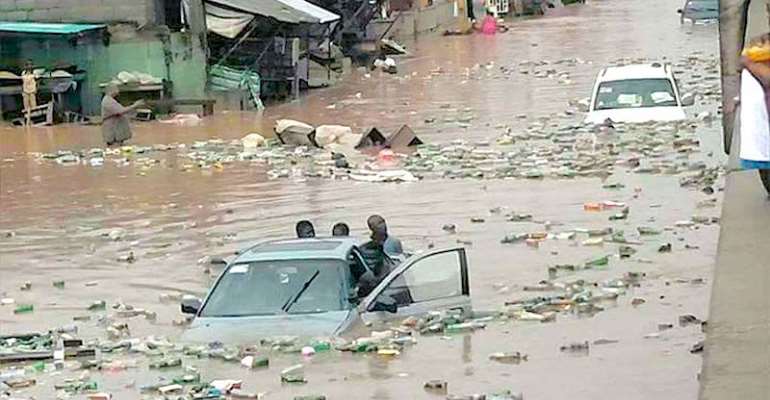
As the rainy season continues, flood preparedness has become a major governance issue across Nigeria. Several states have recorded flooding incidents that have disrupted transportation, damaged homes, affected farmlands, and displaced residents. These recurring events have renewed discussions on disaster management and urban planning.
Experts note that while heavy rainfall contributes to flooding, poor drainage systems, blocked waterways, rapid urbanization, and inadequate environmental planning significantly worsen the situation. The result is repeated damage to infrastructure and increased risks to public health and livelihoods.
The economic consequences are considerable. Flooding affects agricultural production, interrupts commercial activities, and imposes additional costs on governments through emergency response and infrastructure repairs. Communities in flood-prone areas often experience prolonged disruptions that affect education, healthcare access, and local businesses.
From a governance perspective, effective flood management requires proactive planning rather than emergency response alone. Investments in drainage infrastructure, environmental sanitation, early warning systems, and enforcement of building regulations are essential for reducing future risks.
Looking ahead, climate change is expected to increase the frequency and intensity of extreme weather events, making urban resilience an even greater priority. Strengthening coordination among federal, state, and local authorities will be critical to protecting lives and supporting sustainable development.
Overall, flood preparedness is no longer solely an environmental issue; it has become a governance and development priority requiring long-term planning and sustained investment.