
Nigeria's Building Collapse Crisis: Why Preventable Disasters Keep Happening
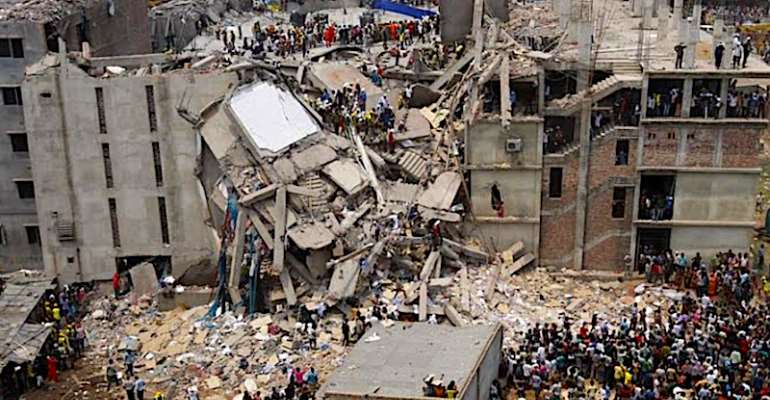
The persistent occurrence of building collapses in Nigeria has become a national concern. Almost every year, reports emerge of residential, commercial, or unfinished structures giving way, often resulting in injuries, deaths, and the loss of valuable property. These incidents are not merely accidents; they are often the result of avoidable failures in planning, construction, regulation, and accountability.
At the heart of the crisis is the widespread disregard for building standards. Many structures are erected without adequate supervision from qualified architects, engineers, and builders. In some cases, contractors use substandard materials to cut costs and maximize profits, compromising the strength and durability of buildings. What may seem like a cost-saving measure during construction can later become a deadly mistake.
Regulatory failures also contribute significantly to the problem. Although Nigeria has building codes and development control regulations, enforcement remains weak in many areas. Illegal structures, unauthorized modifications, and violations of approved building plans sometimes go unchecked. This lack of oversight allows unsafe buildings to remain occupied until disaster strikes.
Rapid urbanization has further complicated the situation. As cities continue to expand, the demand for housing and commercial space has increased. Unfortunately, this pressure has encouraged some developers to prioritize speed over quality. Buildings are sometimes completed without proper structural assessments, inspections, or adherence to safety requirements.
The human cost of building collapse is enormous. Families lose loved ones, survivors suffer life-changing injuries, and entire communities are left traumatized. Beyond the immediate tragedy, these incidents create economic hardship for affected families and undermine public confidence in the safety of buildings.
From a public health perspective, building collapses represent more than structural failures. They are preventable emergencies that place significant strain on healthcare systems, emergency responders, and social support services. Resources that could be directed toward development are instead used for rescue operations, medical treatment, and recovery efforts.
To address this crisis, Nigeria must strengthen the enforcement of building regulations, ensure regular inspections of construction projects, and impose strict penalties on developers who violate safety standards. Professional bodies must also continue to promote ethical practices and hold members accountable for negligence. Equally important is public awareness. Property owners and prospective buyers should prioritize safety and insist on compliance with approved building standards.
A nation's development is reflected not only in the number of buildings it constructs but also in the safety and quality of those structures. The continued loss of lives through building collapses is unacceptable. With stronger regulation, professional accountability, and a commitment to quality construction, Nigeria can significantly reduce these preventable tragedies and protect its citizens.
Adebisi Victoria Kehinde is a Community Health Practitioner and Founder, Goodness and Mercy Care Hub