
How Ghana Is Shaping The Dynamics Of Diplomacy And Diaspora Engagement For Effective Collaboration
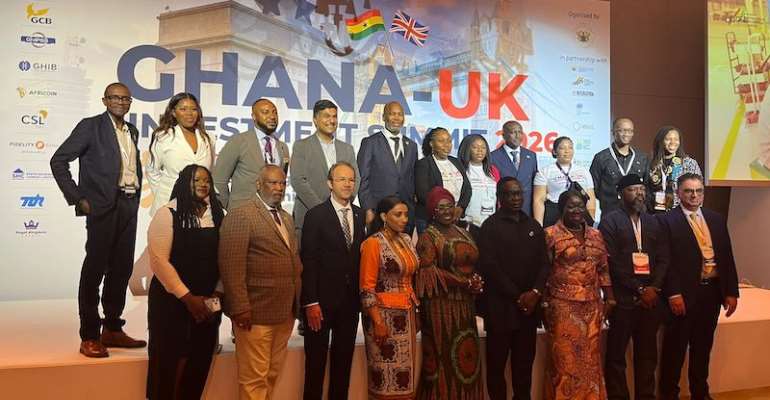
In an era where diplomacy is increasingly measured by tangible economic outcomes rather than ceremonial engagements, Ghana continues to demonstrate how strategic international relations, diaspora engagement, and investment promotion can be effectively leveraged to drive national development and strengthen bilateral partnerships.
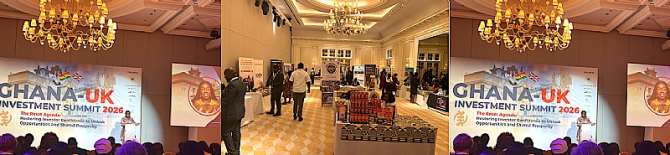
The Ghana-UK Investment Summit 2026, held at the prestigious Raffles London at The OWO, London, provided a compelling example of modern economic diplomacy in action. Organised by the Ghana High Commission to the United Kingdom and Ireland in collaboration with Invest Africa and other strategic partners, the summit formed a major component of the official working visit of the President of the Republic of Ghana, His Excellency John Dramani Mahama, to the United Kingdom.
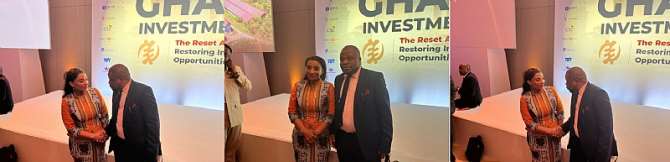
Mr Godson Azu with the Ghana High Commissioner to the United Kingdom
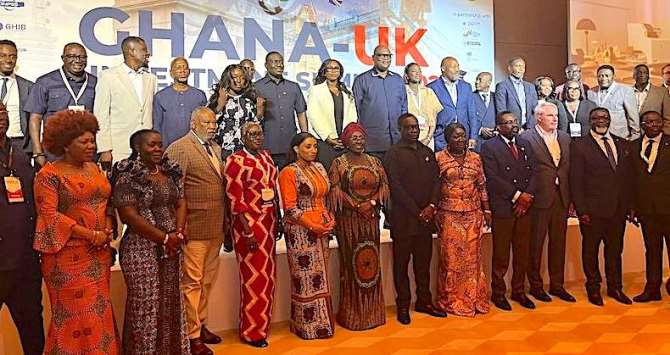
The two-day summit brought together government officials, diplomats, institutional investors, development finance institutions, multinational corporations, business leaders, policymakers, members of the Ghanaian diaspora, and representatives of the United Kingdom business community. With over 500 distinguished guests in attendance, the event provided a dynamic platform for dialogue, partnership-building, and investment facilitation across key sectors of the Ghanaian economy.
At the centre of the summit was President John Dramani Mahama, whose administration has embarked on renewed efforts to attract foreign direct investment, strengthen investor confidence, stimulate industrial growth, and reposition Ghana as one of Africa’s leading destinations for business and economic development. The President’s vision of economic transformation, private-sector growth, infrastructure development, and strategic international partnerships resonated throughout the summit’s proceedings.
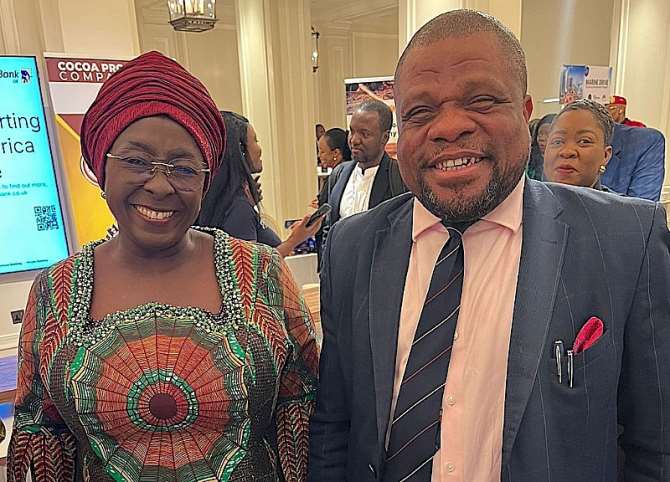
Mr Godson Azu with the Hon. Minister for Culture and Tourism
A significant driving force behind the success of the summit was the leadership of Her Excellency Sabah Zita Benson, Ghana’s High Commissioner to the United Kingdom and Ireland. Through her proactive diplomatic engagement and commitment to promoting Ghana’s interests abroad, the High Commission successfully convened an impressive gathering of influential stakeholders from government, business, finance, and the diaspora community.
The summit featured an impressive lineup of speakers and participants, including:
- His Excellency John Dramani Mahama, President of the Republic of Ghana.
- Her Excellency Sabah Zita Benson, Ghana High Commissioner to the United Kingdom and Ireland.
- Dr. Christian Rogg, British High Commissioner to Ghana.
- Dr. Cassiel Ato Forson, Minister for Finance.
- Dr. Johnson Pandit Asiama, Governor of the Bank of Ghana.
- Hon. Elizabeth Ofosu-Adjare, Minister for Trade, Agribusiness and Industry.
- Hon. Abla Dzifa Gomashie, Minister for Tourism, Culture and Creative Arts.
- Senior representatives of the United Kingdom Department for Business and Trade (DBT).
- Leading investors, financial institutions, development partners, business executives, and members of the Ghanaian diaspora.
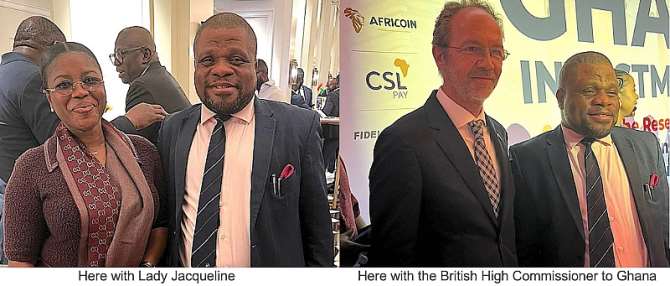
One of the summit’s most notable achievements was its comprehensive sectoral approach to investment promotion. Through keynote presentations, executive roundtables, and expert panel discussions, participants examined opportunities and challenges across infrastructure development, agriculture and agribusiness, manufacturing, renewable energy, healthcare, tourism, biodiversity, carbon capture, waste management, supply chain management, property development, affordable housing, digital innovation, and sustainable economic development.
The discussions provided practical insights into Ghana’s economic priorities, investment opportunities, regulatory reforms, and development agenda. Investors and business leaders were afforded the opportunity to engage directly with policymakers, enabling productive conversations around investment facilitation, public-private partnerships, financing mechanisms, market access, and long-term economic cooperation.
Particularly noteworthy was the contribution of Hon. Abla Dzifa Gomashie, Minister for Tourism, Culture and Creative Arts, who highlighted the significant role of tourism, culture, heritage preservation, and the creative economy as emerging drivers of economic growth. Her presentation underscored the importance of leveraging Ghana’s rich cultural assets to attract international visitors, diaspora engagement, creative industry investments, and sustainable tourism development.

The summit also highlighted the increasingly important role of diaspora engagement as a strategic pillar of national development. The Ghanaian diaspora in the United Kingdom remains one of the country’s most valuable assets, contributing significantly through remittances, entrepreneurship, professional expertise, technology transfer, and international influence.
Unlike traditional diplomatic models that often focus exclusively on government-to-government relations, Ghana’s approach reflects a modern understanding of diplomacy—one that incorporates government-to-business, business-to-business, and diaspora-to-government partnerships. This evolving framework recognises diaspora communities not merely as overseas citizens but as strategic development partners capable of contributing to economic growth, innovation, investment mobilisation, and global competitiveness.
Indeed, one of the defining themes of the summit was the recognition that Africa’s development ambitions cannot be achieved solely through government interventions. Rather, sustainable growth requires effective collaboration among governments, investors, entrepreneurs, development institutions, civil society, and diaspora communities.
The summit further demonstrated Ghana’s determination to strengthen its bilateral economic relationship with the United Kingdom. Several strategic partnerships and investment agreements reportedly worth millions of pounds were concluded during the event, covering sectors ranging from infrastructure and energy to education, manufacturing, agribusiness, tourism, and technology.
These agreements are expected to contribute significantly to job creation, economic diversification, industrial expansion, skills development, and sustainable growth within Ghana’s economy. They also reinforce Ghana’s reputation as one of West Africa’s most stable and attractive investment destinations.
The quality of moderation, technical presentations, stakeholder engagement, and audience participation was exceptional throughout the summit. The professionalism of the organisers and the calibre of discussions reflected a mature investment promotion strategy capable of competing with leading international economic forums.
In a fitting conclusion to a highly successful event, the Closing Remarks were delivered by Hon. Elizabeth Ofosu-Adjare, Minister for Trade, Agribusiness and Industry, on behalf of President John Dramani Mahama. She conveyed the President’s profound appreciation to investors, delegates, business leaders, development partners, diplomatic representatives, organisers, and participants for their support and contributions toward the success of the summit.
The Minister reaffirmed Ghana’s commitment to creating an enabling environment for investment, strengthening bilateral economic relations with the United Kingdom, and implementing reforms that promote sustainable growth, private-sector development, and investor confidence.
Key Strategic Lessons and Propositions
The Ghana-UK Investment Summit 2026 offers important lessons for governments across Africa and the wider developing world.
First, economic diplomacy must become a central pillar of foreign policy. Diplomatic missions should increasingly function as investment promotion, trade facilitation, and business development hubs.
Second, diaspora engagement should be institutionalised through structured investment programmes, advisory councils, diaspora bonds, innovation networks, and strategic partnership frameworks.
Third, governments must prioritise policy consistency, transparency, ease of doing business, and regulatory certainty in order to attract and retain long-term investment.
Fourth, sustainable development objectives must be integrated into investment strategies, particularly in sectors such as renewable energy, climate resilience, biodiversity conservation, agriculture, and urban development.
Fifth, stronger collaboration between governments, the private sector, development finance institutions, and diaspora communities is essential for unlocking Africa’s full economic potential.
Conclusion
The Ghana-UK Investment Summit 2026 was far more than a business conference; it was a demonstration of the power of strategic diplomacy, visionary leadership, diaspora engagement, and international collaboration.
It showcased Ghana’s commitment to strengthening its relationship with the United Kingdom while positioning itself as a competitive and attractive destination for global investment. It also highlighted how modern diplomacy can move beyond protocol and political engagement to deliver measurable economic outcomes that benefit citizens, businesses, and future generations.
Special commendation must be extended to Her Excellency Sabah Zita Benson and the dedicated team at the Ghana High Commission in London for their exemplary leadership and commitment in delivering a world-class summit. Their efforts have undoubtedly strengthened Ghana’s diplomatic footprint, enhanced investor confidence, and reinforced the country’s position within the global investment community.
As Africa continues to pursue economic transformation and sustainable development, Ghana’s approach provides an important model for leveraging diplomacy, diaspora engagement, and strategic partnerships to achieve inclusive growth and national prosperity.
Congratulations to the Government of Ghana, the organisers, investors, business leaders, diplomatic community, and all stakeholders whose collective efforts made this landmark summit a resounding success.
Godson Azu is a United Kingdom-based International Relations and Politics Expert, Trade and Investment Facilitator, Public Policy Commentator, Governance and Leadership Specialist.