
A City Of Victory, Leadership, And Enduring Spiritual Blessings
Ilorin is not merely a geographical location or an administrative capital; it is a city founded on leadership, military triumph, and spiritual depth. Over time, however, historical inaccuracies and linguistic distortions have crept into public discourse, leading to a misrepresentation of Ilorin’s identity. This piece seeks to correct such errors and reaffirm the true heritage of the city.
The Historical Meaning of “Ilorin May Sigaba”
The authentic expression historically associated with Ilorin is “Ilorin may sigaba,” a Hausa phrase meaning “Ilorin has prevailed,” “Ilorin is victorious,” or “Ilorin leads.” This phrase emerged from a well-documented military episode in which a Balogun (war commander) from Ilorin led warriors on an expedition to Osogbo and returned victorious. Following the success of the campaign, messengers were sent back to Ilorin to announce the triumph. The instruction was simple: to inform the people at home that Ilorin had won the war. However, due to imperfect intonation and gradual oral transmission, the phrase “Ilorin may sigaba” was later corrupted into “Ilorin may su jaba.” This distortion has no historical or linguistic foundation.
Why the Distortion Is Harmful
Referring to Ilorin as “may su jaba” is not only inaccurate but defamatory. It strips the phrase of its original meaning of leadership and victory and replaces it with a construction that demeans the city’s heritage. Traditionally, such misrepresentation was treated as a serious offence under customary authority because it undermined the collective honour of the community. Ilorin’s history is anchored in disciplined leadership, organised military structure, and moral order not in ridicule or careless speech.
Ilorin as a City of Spiritual Passage
Beyond history, Ilorin is widely regarded as a city of spiritual significance a place of divine favour and religious convergence. This belief was recently echoed by popular Nigerian actor Said Balogun, who testified that anyone who passes through Ilorin is certain to receive blessings. Such testimonies resonate with long-held communal beliefs about Ilorin as a centre of Islamic scholarship, prayer, and righteousness. The Qur’an affirms:
“In houses which Allah has permitted to be raised and in which His Name is remembered…”
(Qur’an 24:36)
Ilorin’s landscape historically rich in mosques, learning circles, and religious teachers fits this description.
The Prophet Muhammad (ﷺ) also reminded humanity:
“Allah does not look at your appearance or wealth, but He looks at your hearts and deeds.”
(Sahih Muslim)
It is through these deeds, sustained across generations, that Ilorin has earned its reputation as a city of blessings.
Preserving the Honour of Ilorin
Cities, like people, deserve to be addressed with truth and respect. To misname Ilorin is to misunderstand its past; to ridicule it is to deny its spiritual and historical stature. Ilorin is a city of sigaba leadership and victory not of slander or distortion. As custodians of history and culture, we must speak accurately, teach responsibly, and guard the dignity of Ilorin for future generations.
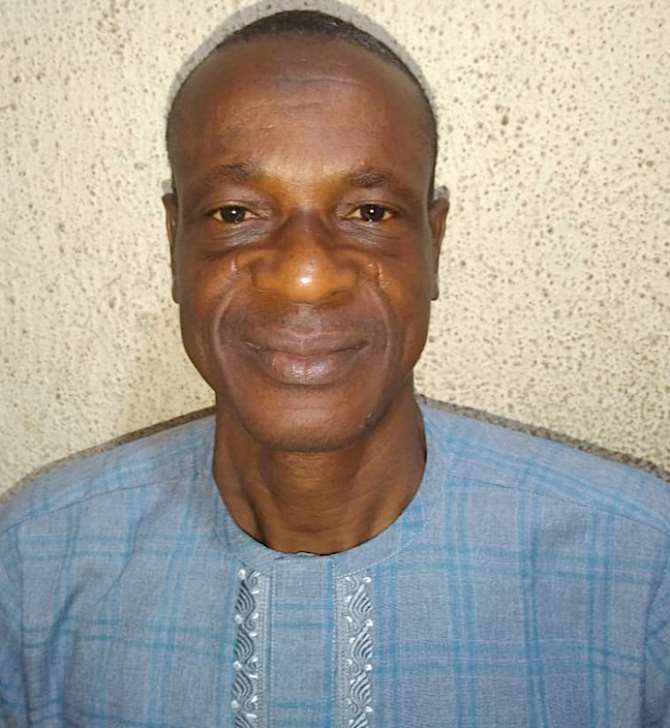
Dr. Gidado Abdulkarim Salimon writes from No 1b Halal Street Daudu Islamic Village, Ilorin kwara state.
Contact Information: Email: [email protected]