
Smiling Postcard Photos In Kenya Don't Equal Popular Legitimacy
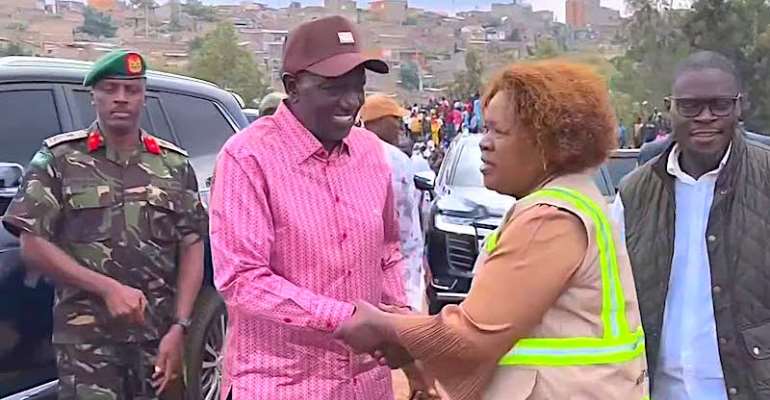
The excitement expressed by Divine Nchamukong and Eugene Ndi about the “joy” and “friendliness” Kenyan presidents share with citizens is based on a narrow and misleading lens: a few choreographed encounters, smiling photographs, and carefully edited public-relations videos. This is tourism-level politics, not the lived political reality of Kenya.
To judge a nation’s democracy by brief handshakes and camera flashes is to mistake performance for substance.
In matatus, taxis, Ubers, and markets across Kenya, the tone is strikingly different. Many Kenyans openly mock and disparage William Ruto, calling him Kasongo, a comparison to an ugly, ill-mannered warthog. He is widely described as a conman who carried the Bible to deceive voters, especially the Kikuyu, into trusting him.
Mount Kenya, the Kikuyu heartland and the heartbeat of Kenyan politics, is increasingly being declared out of bounds for Ruto because of his confrontational posture toward Vice President Gachagua, a Kikuyu. Kikuyu politicians now proclaim that Mount Kenya has “vomited” Ruto and that he should prepare to end as a one-term president. This is not the language of affection; it is the language of rejection.
Those who romanticize Kenyan political culture forget that Kenyans have always criticized their leaders. Millions who supported the late Raila Odinga remain deeply hostile to Ruto. The myth that Kenyan presidents are universally adored collapses the moment one steps outside official ceremonies.
Eugene Ndi proudly recounts:
“I met Uhuru Kenyatta and he was very open… I met William Ruto during the visit of Theresa May… these politicians are not like ours.”
But such encounters lasted seconds or minutes and took place within tightly controlled diplomatic settings. A handshake during a state visit is not evidence of national harmony; it is protocol. It tells us nothing about corruption accusations, ethnic resentment, or economic despair.
Ethnic politics further complicates the picture. Ruto comes from the minority Kalenjin community. I personally met Kalenjin traders around Nairobi City Market who boasted, “Now it is our time to eat.” That triumphalism is drowned out by rejection from millions of Kikuyu and millions of Raila’s supporters. Kenya today is not a postcard of friendliness; it is a battleground of grievances.
Mount Kenya itself symbolizes the depth of this crisis. It is the birthplace of Jomo Kenyatta, Mwai Kibaki, Uhuru Kenyatta, and Vice President Gachagua. When such a politically sacred region turns against a sitting president, no amount of smiling photos can rescue him.
To Divine Nchamukong, who claims Kenyans are “adopting American bad manners” in their interaction with the president, I say this: a public handshake and criticism is not bad manners; it is democracy speaking in the streets. Heckling is the sound of disappointment, not disrespect.
Do not confuse PR choreography with popular legitimacy. Pictures and appearances do not define governance. They hide it.
Kenya’s political story is not written in glossy images but in the voices of ordinary citizens; angry, mocking, hopeful, and frustrated. Until we listen to those voices, we will keep mistaking public relations for public consent.
Christopher Achobang just returned from a one month stay with his Kikuyu descendants on Mount Kenya.