
Nigeria Must Emulate Burkina Faso’s Vigilance On Illegal Arms
Burkina Faso, under the leadership of Captain Ibrahim Traoré, has once again demonstrated that decisive leadership and vigilance are key to safeguarding national sovereignty and security. The recent seizure of a massive consignment of arms disguised as humanitarian aid at the Togo border has drawn global attention and offered an important lesson for African nations, particularly Nigeria.
According to official reports, Burkinabè security operatives intercepted a convoy of 47 trucks allegedly carrying relief materials. On inspection, however, the vehicles were found to be laden with a staggering cache of weapons: 15,000 AK-47 rifles, 5,000 MI6 assault rifles, over 3 million rounds of ammunition, 50,000 grenades, 1,500 rocket launchers, 200 anti-aircraft missiles, and 20 tonnes of explosives. The consignment, valued at about $100 million, would have been enough to destabilise an entire region if it had reached its destination.
This bold operation, executed under the watch of President Traoré, is not merely a security success story. It is a clear statement that Africa’s stability is constantly undermined by illicit arms flows, often facilitated by external and internal collaborators. Burkina Faso’s decision to intercept, expose and neutralise this threat has not only protected its sovereignty but also challenged other African nations to rise to the occasion.
Nigeria’s Insecurity and Arms Inflow
Nigeria, more than any other African country, must take this lesson to heart. The country is grappling with multiple layers of insecurity Boko Haram insurgency, banditry, kidnapping, separatist agitations, and urban violence. Despite heavy budgetary allocations to defence and security agencies, the nation continues to be flooded with illegal arms. Estimates suggest that West Africa hosts over 350 million small arms, with Nigeria accounting for the largest share. These weapons are the lifeblood of terrorism, banditry and violent crime. The porous borders of Nigeria, stretching over 4,000 kilometres and poorly monitored, remain major entry points for arms traffickers. If Burkina Faso, with fewer resources and a much smaller military apparatus, can detect and halt such a sophisticated smuggling operation, Nigeria has no excuse for its persistent vulnerability.
Steps Nigeria Must Take
To replicate Burkina Faso’s vigilance, Nigeria must urgently:
1. Strengthen Border Control: Deploy modern surveillance technology, including drones, scanners and satellite tracking, at all entry points.
2. Reinforce Intelligence Gathering: Security agencies must deepen collaboration with communities, regional neighbours and international partners to expose trafficking networks.
3. Demonstrate Political Will: The government must match rhetoric with decisive action, resisting the influence of external interests that thrive on chaos and instability in Africa.
Beyond Security: Sovereignty at Stake
What Traoré has achieved reflects a deeper truth: insecurity in Africa is not only a military problem but also a political and economic one. Nations that cannot protect their borders or control the flow of arms remain vulnerable to external manipulation and neo-colonial designs. Nigeria, with its vast resources and regional influence, must understand that true independence lies not only in political declarations but in the ability to safeguard its territory, defend its people and resist external domination.
Burkina Faso’s interception of 24 trucks laden with weapons is a victory for vigilance and sovereignty. It also serves as a wake-up call for Nigeria. The lesson is simple: if smaller nations can boldly defend their borders against destabilising plots, Africa’s largest democracy must do no less. Nigeria cannot continue to pour resources into fighting insecurity while ignoring the lifeblood of the problem illegal arms. The tie to act is now.
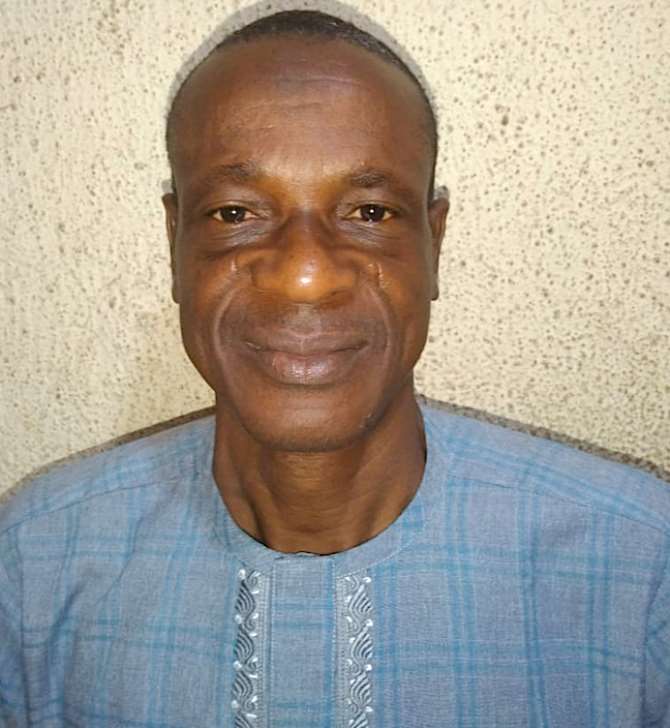
Dr. Gidado Abdulkarim Salimon writes from No 1b Halal Street Daudu Islamic Village, Ilorin kwara state.
Contact Information: Email: [email protected] .