
Muhammadu Buhari Dies: And The Ogoni Public Reaction Echoes Themes Of Mortality, Justice, Remembrance, And Public Service.
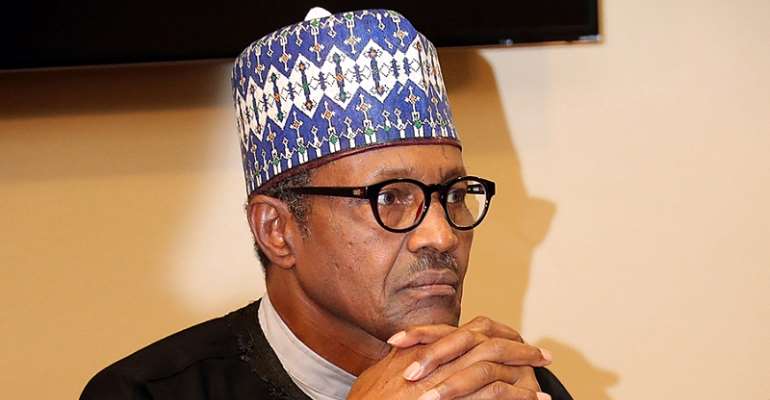
Today, we mark the passing of former Nigerian President Muhammadu Buhari with solemn reflection—not in celebration, but in the stillness that mortality commands. No crown ever worn in public office—no decree, no law, no title—can escape the truth that we are all bound by the fragile brevity of human life. Leadership does not exempt us from judgment. Legacy is not a shield against consequence. Power is never permanent.
In extending condolences to his family and loved ones, we also confront a profound moment of collective reckoning. Buhari's journey—marked by both firm convictions and dramatic reversals—reminds us that public office is a borrowed space from which we may either build bridges of dignity or deepen trenches of regret.
As one who bore witness to the execution of the Ogoni Nine under the Abacha regime, which Buhari influenced, and later witnessed his pivot toward pardoning Ken Saro-Wiwa, I am stirred not by the politics of that change, but by the silence behind it. It was a silence filled with unspoken remorse and the haunting memory of a life unjustly taken—a life that now transcends time as The World Environmental Martyr.
In forgiveness, the Ogoni have chosen mercy over bitterness. As I declared forgiveness from the pulpit of the Methodist Church in 2009 on the day of cleansing at Teyork, it was never about absolution—it was about rising above vengeance. Yet forgiveness does not erase scars, nor does it rewrite history. It simply acknowledges that those who have walked in darkness may still glimpse light—even if from afar.
President Buhari’s final days were spent on foreign soil, a poignant metaphor for the exile of unresolved legacy. His attempt to undo one of the great moral stains on Nigeria’s conscience—the murder of innocent environmental defenders—was incomplete. Pardons may be offered by governments, but exoneration must be given by truth. For our own story, particularly that of Ken Saro-Wiwa, although brutally silenced yet spiritually immortal, and this offers sacred insight. Those who walk through fire in defense of truth are remembered not in statues or nation state papers—but in the living prayers of history.
While Buhari’s story will now enter the folds of memory where we ponder: Who belongs? Who is protected? And who, making choices in the corridors of power, must be punished—or redeemed? These questions do not expire with any administration. They echo through time and shape our nation state’s soul.
The passing of Muhammadu Buhari not simply mark the end of a life—but as a stirring reminder that we all return to dust. The corridors of power, no matter how high, are temples of responsibility—not thrones of permanence. Only when the truth is fully spoken can the soul of Nigeria begin to heal.
May Buhari’s departure awaken a greater reverence among public servants—a humble acknowledgement that judgment lies not only in human hands, but in divine ones.
Let this be a moment not only of mourning, but of introspection. Let future public servants remember: we do not govern to escape mortality, but to meet it honorably—with fairness as our compass and equity as our enduring tribute. As the Ogoni people have long shown, history's weight does not crush us when carried with grace.
Signed,
Dr. Goodluck Diigbo
President, Ogoni Central Indigenous Authority (OCIA)