
CBN Renovates E-payment With New Domestic Card
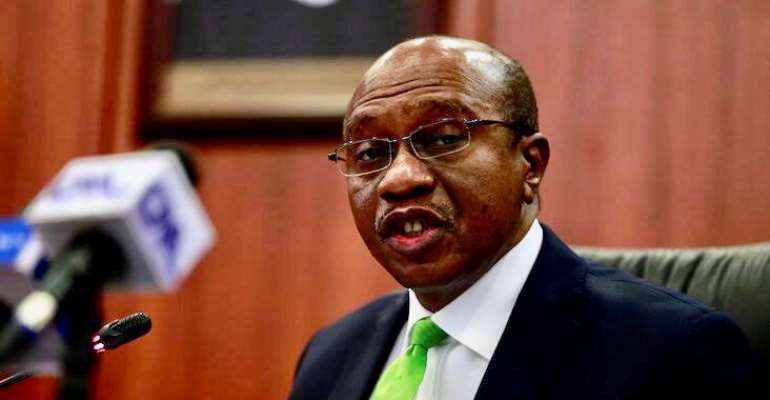
The Central Bank of Nigeria on Thursday launched the Nigerian National Domestic Card Scheme to further expand the electronic payment system in the country.
During the launch which was done virtually, the Central Bank Governor, Godwin Emefiele, said the card would help to reduce operating cost, charges and preserve foreign exchange in the country.
Emefiele said, “Ladies and gentlemen, at this time when foreign exchange challenges persist globally, it is important that I say that we have come up with this card to ensure that all online transactions will now effective immediately begin to go on the Nigerian National Domestic Card system.
“All domestic transactions that are going to be conducted in Nigeria will have to be through the Nigerian domestic cards.”
While the penetration of card payments in Nigeria had grown tremendously over the years, he said, many Nigerians were still excluded.
Given the limited usage of cards by Nigerians and in a bid to deepen penetration, he said the Bank actively promoted the National domestic card scheme which would be accessible to all Nigerians and also address local peculiarities.
He also said, “But given that charges by foreign cards are in dollars, we will no longer pay dollars for the charges on those cards. Particularly, we would only pay dollars for charges for transactions that are done with whether they are domestic cards or foreign cards outside Nigeria”
“I thought it important for me to say so not because there’s any preference for the domestic card but what is most important is that we do not have foreign exchange and we will bar payment of charges for domestic transactions from the Nigerian foreign exchange market at some point in the very near future,” he said.
NACCIMA warns FG on managing the country’s debt and tax
The Nigerian Association of Chambers of Commerce, Industry, Mines, and Agriculture has warned the Federal Government to devise effective means of managing the country’s debt profile to prevent the economy from shutting down.
NACCIMA President, John Udeagbala, stated this during the chamber’s state of the nation press briefing held in Lagos on Monday.
Udeagbala said Nigeria had come to a terrible cross-road as it was worrisome that the country would be borrowing N11.34tn to finance over 50 per cent of the 2023 budget.
Udeagbala further stated that NACCIMA was worried about the negative impact of the recently passed Finance Bill 2022 by the Senate on the growth and development of private businesses.
He noted that the 2022 Finance Bill attempts to add more financial burden on the private sectors that are presently struggling to keep businesses afloat.
He said, “It is barely two years now since when the government raised education tax from two per cent to 2.5 per cent. Many companies are struggling to adjust to that and now the same is being raised to three per cent. VAT has also been raised from five per cent to 7.5 per cent over the same period.”
“This is besides over 50 other forms of taxes and levies being imposed on the OPSN by both federal, states and local governments. There are yet other tax bills currently at the National Assembly seeking to impose taxes and levies on business establishments and companies, such as the NITDA levy, National Social Insurance Trust Fund, Company Income Tax among others. Considering the various challenges and economic difficulties faced by the OPSN.”
On the forthcoming General Elections, Udeagbala said NACCIMA was worried about the overshadowing effect of politics on the economy
He added, “You may have noticed the reoccurring pattern where Nigeria’s presidential candidates run to Chatham House in London to discuss the challenges of Nigeria’s political economy instead of engaging with the OPSN here in Nigeria.
“The OPSN and Nigerian people are the ones who bear the brunt of economic hardships in Nigeria, so why go to Chatham House London to discuss domestic challenges that are domiciled in Nigeria? NACCIMA and the OPSN want the establishment of our own Chatham House in Nigeria, where our socio-economic challenges are discussed, and solutions proffered to the challenges locally,”
The chamber also expressed worry that the GDP growth rate has been dropping on a quarter-by-quarter basis since the 5.01 per cent recorded in the second quarter of 2021. The implication of this, Udeagbala said, is that economic activities are contracting, and businesses are dying.