
Why Rivers Assembly Should Reconsider Prof. Alasia
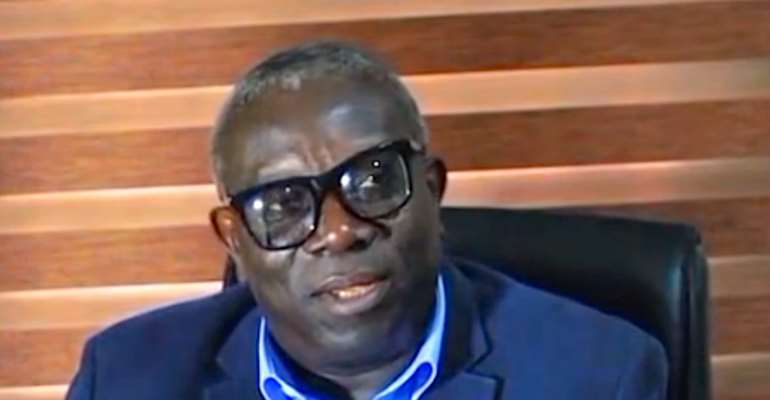
The recent decision by the Rivers State House of Assembly to decline the confirmation of Professor Datonye Dennis Alasia as a commissioner nominee has generated debate among observers who believe that the weight of his professional service to society should have counted more strongly during the screening process.
Professor Alasia, a medical doctor, professor of internal medicine and consultant nephrologist, was among nine nominees forwarded to the Assembly by Governor Siminalayi Fubara for appointment into the Rivers State Executive Council. After the screening exercise in Port Harcourt, lawmakers confirmed five nominees but rejected four, including Professor Alasia. (Channels Television)
According to reports of the legislative proceedings, lawmakers raised concerns about discrepancies in his birth certificate documentation and the absence of a tax clearance certificate during submission of his screening documents. (Channels Television)
While the Assembly has the constitutional authority to scrutinize nominees and ensure compliance with administrative requirements, some observers argue that the broader context of Professor Alasia’s career and service record should not be ignored in evaluating his suitability for public office.
Professor Alasia is widely recognized in Nigeria’s medical community as a seasoned academic and clinician. He serves as a professor of internal medicine and an honorary chief consultant physician at the University of Port Harcourt Teaching Hospital (UPTH), where he has spent years training doctors and contributing to medical research. Details of his professional background and leadership roles in the medical field can be found on the Nigerian Medical Association leadership page at
https://thenma.ng/leadership/. (NMA - Nigerian Medical Association)
Beyond teaching and research, he has been involved in health management, policy discussions and the mentoring of young physicians who now serve across Nigeria’s healthcare system. Those who have worked within the University of Port Harcourt medical ecosystem say his work in medical education has helped shape several specialists and consultants practicing today.
His academic footprint also extends to scientific research. For example, he has contributed to studies examining environmental and occupational health risks in Nigeria, including research on lead exposure and kidney function among workers in Port Harcourt, which was published in the Nigerian Journal of Medicine. The research can be accessed here:
https://journals.lww.com/njom/fulltext/2010/19040/occupational_and_environmental_lead_exposure_in.12.aspx. (Lippincott Journals)
Similarly, Professor Alasia has contributed to studies on cardiovascular health patterns in rural communities in Rivers State, highlighting the prevalence of hypertension and the need for community health awareness and preventive care. One of such academic contributions is available here:
https://tnhjph.com/index.php/tnhj/article/download/41/35. (tnhjph.com)
However, it was during the global COVID-19 pandemic that many healthcare professionals like Professor Alasia found themselves on the frontline of one of the most difficult medical crises in modern history.
At the University of Port Harcourt Teaching Hospital, he played a role in the hospital’s respiratory and infectious disease response team that managed COVID-19 cases and coordinated treatment efforts during the peak of the pandemic. According to a report on the hospital’s response to COVID-19, the medical team had to quickly reorganize strategies to handle the emerging health emergency, ensuring patient care continued despite the risks involved for healthcare workers. The report can be read here:
https://nigeriahealthwatch.medium.com/uniport-teaching-hospital-ensures-safe-deliveries-and-immunisation-despite-covid-19-4e292d586c88. (Medium)
Healthcare workers across the world paid a heavy price during the pandemic, and Nigerian doctors were not exempt. In hospitals like UPTH, clinicians worked long hours, often with limited resources, to protect patients and contain the spread of the virus. Many of them, including specialists in respiratory and internal medicine, had direct responsibility for critical cases.
Stories from that period recall how medical teams fought to save lives under extremely challenging conditions. Among such cases were vulnerable patients, including infants and individuals with severe complications linked to COVID-19 infections. These moments, according to healthcare professionals who witnessed them, demonstrated the dedication and courage required of doctors during the crisis.
For supporters of Professor Alasia, this record of service raises an important question: should administrative inconsistencies overshadow decades of professional contribution to healthcare, research and medical training?
Critics of the Assembly’s decision point out that documentary discrepancies, while important to address, do not necessarily diminish professional competence or leadership capacity. In public service screening exercises across Nigeria, nominees have sometimes been allowed to correct documentation gaps when their qualifications and records of service were otherwise clear.
Indeed, during the screening session itself, Professor Alasia reportedly explained that the irregularity in his birth certificate may have originated from the doctor who issued it years earlier. He also apologized to lawmakers for failing to attach his tax clearance certificate among the documents initially submitted. (Channels Television)
For some observers, those explanations should have opened the door for clarification rather than outright rejection, especially considering the nominee’s long-standing contributions to the state.
Beyond his clinical work, Professor Alasia has also played roles in medical scholarship. He has contributed to editorial and academic platforms within Nigeria’s medical community, helping to promote scientific knowledge and research dissemination among healthcare professionals. (NMA - Nigerian Medical Association)
Supporters argue that individuals with such experience could provide valuable insight in government, particularly in areas related to health policy, medical infrastructure development and public health preparedness.
Rivers State, like many parts of Nigeria, continues to face significant health challenges ranging from non-communicable diseases such as hypertension and kidney disorders to emerging infectious diseases. Experts say that experienced medical professionals in policy-making roles can strengthen healthcare systems and improve the coordination between hospitals, universities and government agencies.
Ultimately, the Rivers State House of Assembly retains the constitutional prerogative to approve or reject commissioner nominees based on its interpretation of available evidence and legislative standards. The decision taken during the screening exercise reflects the Assembly’s responsibility to uphold accountability and compliance with official procedures.
However, the conversation sparked by Professor Alasia’s rejection also highlights a broader issue in public governance: how to balance strict administrative requirements with recognition of long years of service to society.
For some analysts, the case presents an opportunity for reconsideration or further review if additional clarifications can be provided. In their view, public institutions benefit when competence, experience and integrity are assessed together rather than in isolation.
Odimegwu Onwumere is Chairman, Advocacy Network On Religious And Cultural Coexistence (ANORACC).
Email: anoracc (at) rescueteam (dot) com